
 The world is warming,
What we are facing is not merely an environmental crisis; it is a global catastrophe that reveals new dimensions of itself every day. The intensity, speed, and scale of the destruction of the environment and our planet may be far greater than even the worst-case scenarios presented so far in scientific papers and official reports.
We are not prepared to confront this catastrophe. More than eight billion people live in a world where consumption, production, and destruction continue at an unprecedented pace. A large part of the public remains unaware of the real consequences of this process, while many political, economic, and scientific systems have either failed or been unwilling to present a complete and interconnected picture of the situation.
The purpose of this website is not simply to publish or introduce academic articles. It aims to bring scattered signs and evidence together, examine the hidden dimensions of the catastrophe, and reveal the gap between environmental reality and public understanding.
The message is clear: we are not dealing with a limited problem that can be postponed. We are already living within a catastrophe that grows more serious every day, while we still lack sufficient awareness, adequate preparation, and appropriate structures to confront it.
Science and academia are not separate from this situation. A significant part of the scientific system has become preoccupied with publishing papers, academic competition, securing funding, and gaining prestige. In many cases, universities operate like businesses and are influenced by political and economic elites and other powerful groups. Within such a structure, research that appears scientific is not always conducted solely in pursuit of truth. Financial interests, academic status, politics, factionalism, and competition for control over power and resources also shape what is studied, funded, published, and promoted.
For this reason, existing knowledge about the environmental catastrophe is often fragmented, overly cautious, limited, and confusing to the general public. Some risks are investigated too late, some findings are expressed with excessive caution, and subjects that conflict with the interests of those in power receive less attention. At the same time, media platforms and their algorithms filter out many genuine voices and selectively direct public attention toward other forms of engagement and distraction.
آنچه با آن روبهرو هستیم فقط یک بحران محیطزیستی نیست؛ فاجعهای جهانی است که هر روز ابعاد تازهای از خود را آشکار میکند. شدت، سرعت و گستردگی تخریب محیطزیست و سیاره ما ممکن است بسیار فراتر از بدترین سناریوهایی باشد که تاکنون در مقالات علمی و گزارشهای رسمی ارائه شدهاند.
ما برای رویارویی با این فاجعه آماده نیستیم. بیش از هشت میلیارد انسان در دنیایی زندگی میکنند که مصرف، تولید و تخریب در آن با سرعتی بیسابقه ادامه دارد. بخش بزرگی از مردم از پیامدهای واقعی این روند آگاه نیستند و بسیاری از نظامهای سیاسی، اقتصادی و علمی نیز هنوز نتوانستهاند یا نخواستهاند تصویر کامل و بههمپیوسته این وضعیت را نشان دهند.
هدف این وبسایت فقط انتشار یا معرفی مقالات نیست. اینجا تلاش میشود نشانههای پراکنده کنار هم قرار گیرند، ابعاد پنهان فاجعه بررسی شوند و فاصله میان واقعیت محیطزیستی و درک عمومی آشکار شود.
پیام روشن است: ما با مشکلی محدود و قابلتعویق روبهرو نیستیم. ما درون فاجعهای زندگی میکنیم که هر روز گستردهتر میشود، درحالیکه هنوز نه آگاهی کافی داریم، نه آمادگی لازم و نه ساختارهای مناسبی برای مواجهه با آن.
علم و حوزه آکادمیک نیز از این وضعیت جدا نیست. بخش مهمی از نظام علمی درگیر انتشار مقاله، رقابت دانشگاهی، جذب بودجه و کسب اعتبار شده است. دانشگاهها در بسیاری از موارد مانند بنگاههای اقتصادی عمل میکنند و تحت تأثیر نخبگان سیاسی، اقتصادی و صاحبان قدرت قرار دارند. در چنین ساختاری، پژوهش به ظاهر علمی همیشه فقط برای کشف حقیقت انجام نمیشود؛ منافع مالی، جایگاه دانشگاهی، سیاست، جناحبندی و رقابت بر سر کنترل قدرت و منابع نیز بر آن اثر میگذارند.
به همین دلیل، دانش موجود درباره فاجعه محیطزیستی، پراکنده، محافظهکارانه یا محدود و برای عموم گیجکننده است. برخی خطرها دیر بررسی میشوند، برخی نتایج با احتیاط بیش از حد بیان میشوند و موضوعاتی که با منافع قدرت حاکمه در تضاد هستند، کمتر مورد توجه قرار میگیرند. در این میان، رسانهها نیز با الگوریتمهای خود بسیاری از صداهای واقعی را فیلتر میکنند تا بخش بزرگی از مردم بهصورت گزینشی درگیر تعاملات و حواسپرتیهای دیگر شوند.
We are no longer standing at the edge of crisis; we are drowning inside it. Yet we keep pretending the world is stable, as if nothing is collapsing around us.
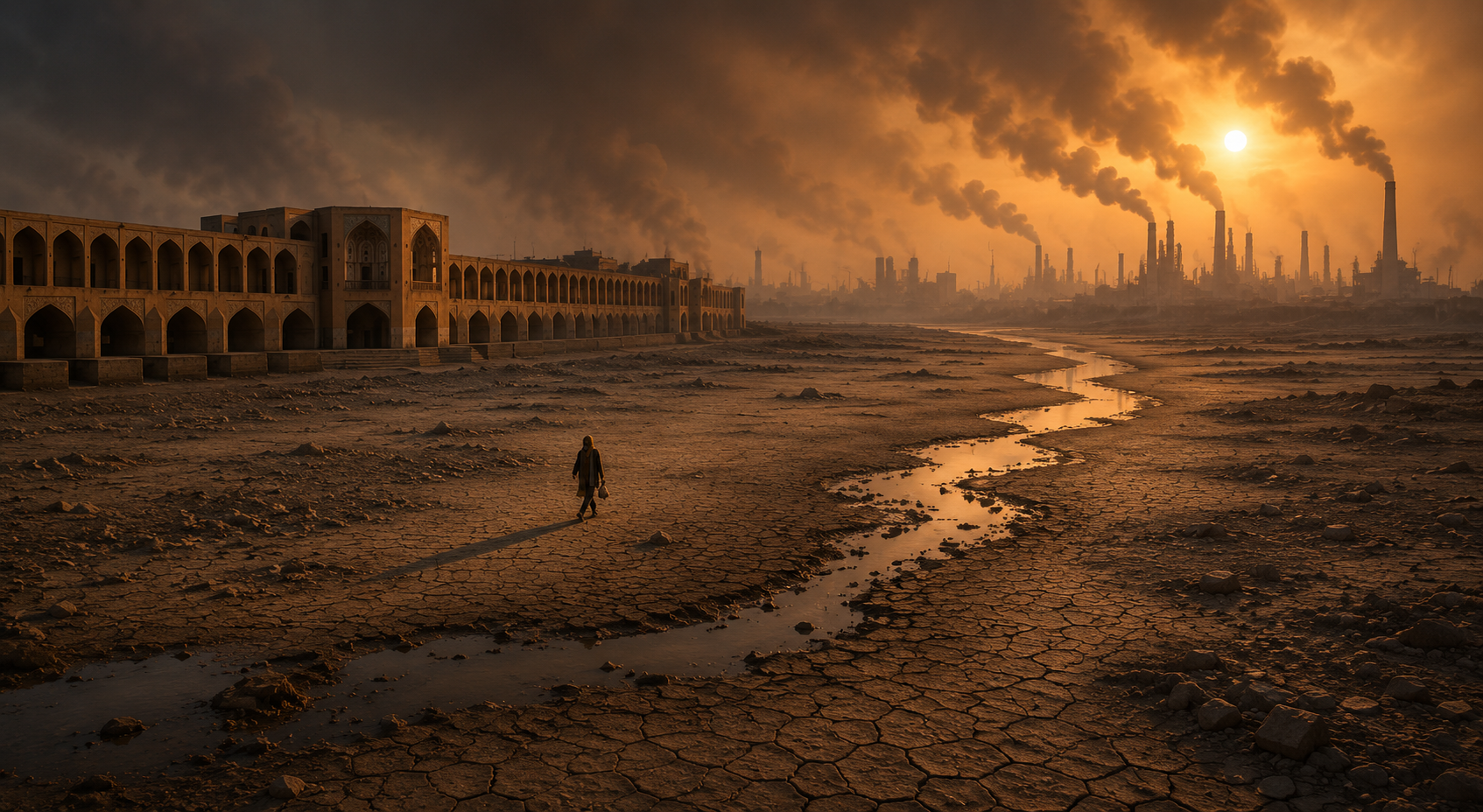
But the signs are screaming: a climate spiraling out of control, ecosystems destroyed, endless wars, forced migrations, economic insecurity, political fractures, widespread loneliness, and a future that grows darker and harder to imagine. These are not separate problems; they are threads of one massive and dangerous global upheaval.
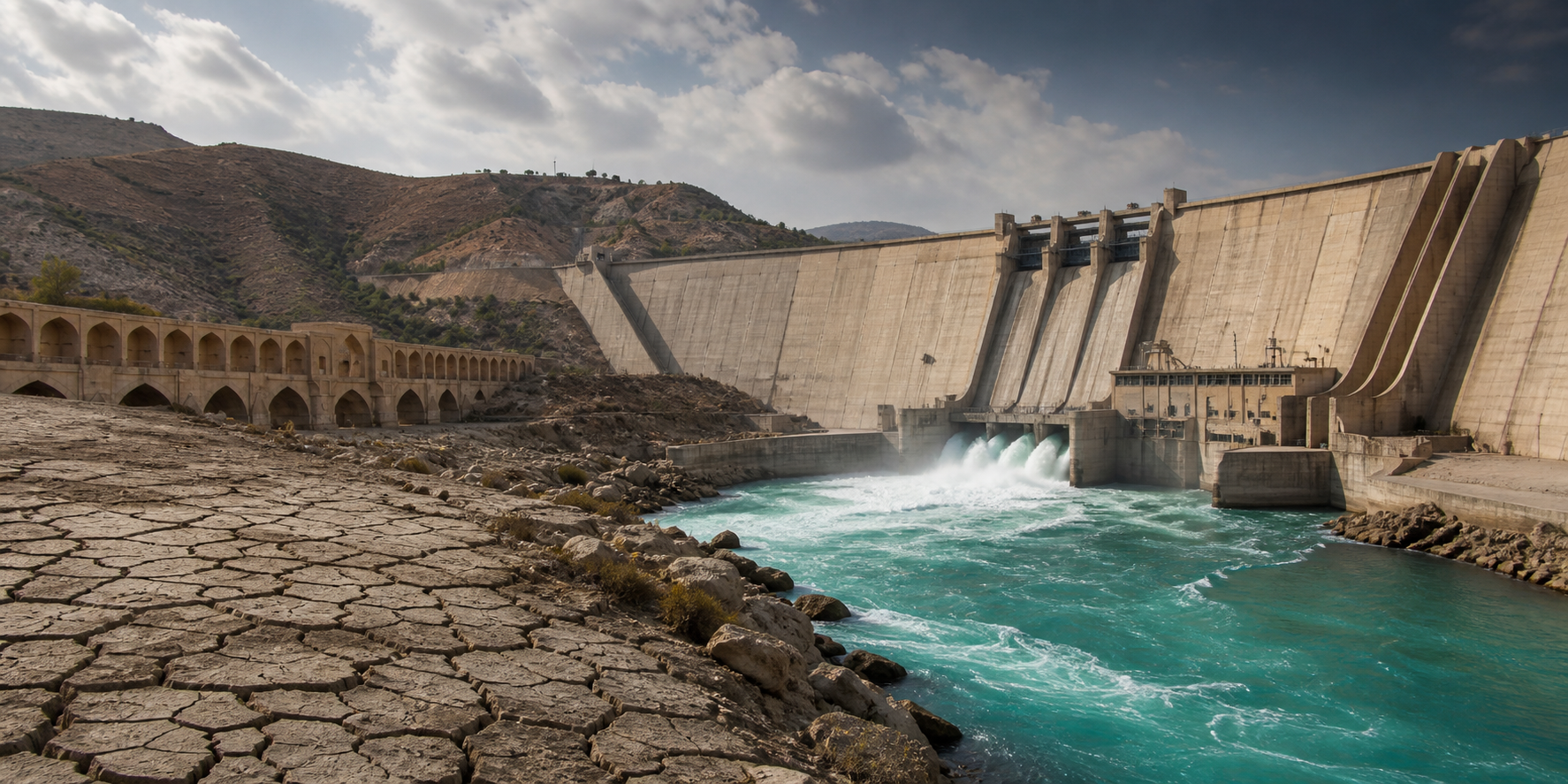
People are being driven from their homes, not only by war, but by droughts, floods, water shortages, ruined livelihoods, and political instability. And the cruel irony is this: the communities that contributed least to climate change are suffering its most brutal consequences.
None of this came without warning. The alarms have been ringing for years. We chose not to see, perhaps too busy with the glitter of luxury, technology, and consumerism... now we must regain our consciousness and deeper senses if we are to survive....
Understanding the World
Environmental sociology and related social sciences help us understand how societies produce, experience, and respond to environmental change. They ask who is affected, who benefits, who decides, and whose knowledge counts. The goal is not to make simple problems sound complicated, but to make complicated problems easier to see, discuss, and act on.
Decades ago, sociologists such as Ulrich Beck, Anthony Giddens, Niklas Luhmann, Mary Douglas, Aaron Wildavsky, and Charles Perrow examined how modern societies produce new dangers through industrialization, technological complexity, environmental destruction, and systems that no individual or institution can completely control.
Beck called this the risk society: a society increasingly surrounded by dangers created by its own model of progress.
Giddens wrote about manufactured risks: threats that come not simply from nature, but from human decisions and modern institutions.
Perrow showed how tightly connected technological systems can fail in unexpected ways, even when they contain advanced safety mechanisms.
Douglas and Wildavsky explained that societies do not respond to every danger equally. Cultures select which risks to notice and which ones to ignore.
Their warnings were not predictions of one dramatic final day. They were descriptions of a world becoming more complex, fragile, interconnected and difficult to manage...
Explore the Topics
Use the website navigation to browse major themes such as risk and uncertainty, climate change, water crisis, biodiversity, sustainability, political ecology, migration, population, urban development, and environmental governance. Each topic can grow over time with case studies, literature reviews, data, educational resources, and links to related publications.